Written by Senior Private Lands Conservationist Trey McDowell and Private Lands Conservationist III Kevin Dunbar
Photos by Private Lands Conservationist III Kevin Dunbar
From Russian olives to Gunnison sage-grouse, Kevin Dunbar of Colorado Pheasants Forever on the West Slope has been busy
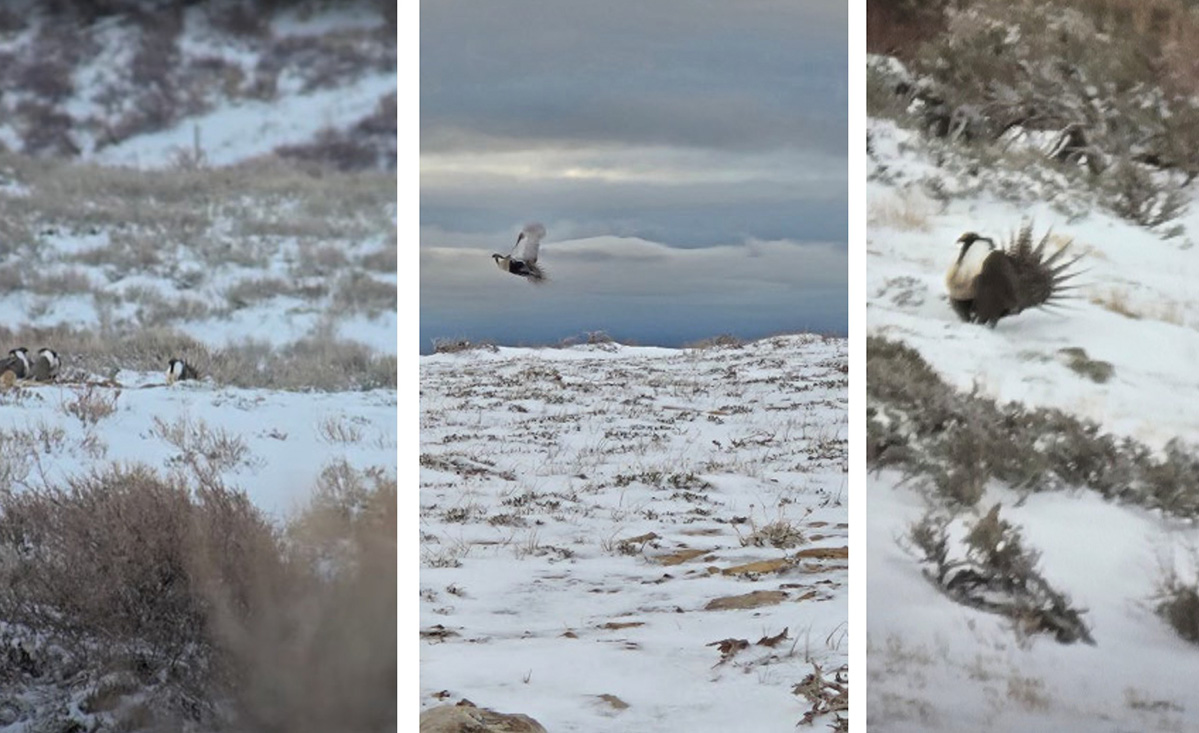
Kevin Dunbar is a Pheasants Forever Private Lands Conservationist on the Western Slope, covering conservation projects around Delta, Grand Junction, and Gunnison. Since starting with Pheasants Forever in 2024, Kevin has taken advantage of NRCS’s Environmental Quality Incentives Program (EQIP) to get habitat on the ground, knock out invasive species, and reduce fuel loads on the west slope of Colorado. These projects have improved habitat
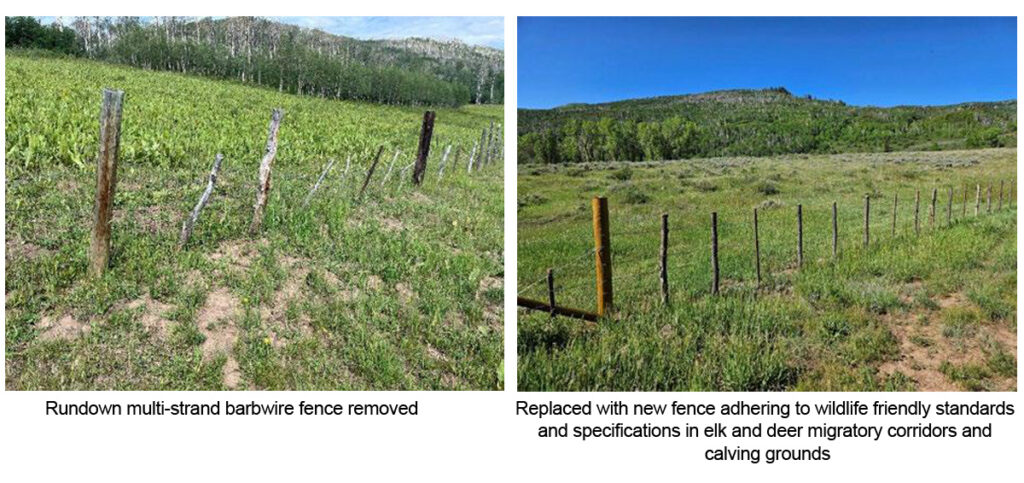
for elk, mule deer, pronghorn, Gunnison sage-grouse, yellow-billed cuckoo, and many more species. Kevin has also contracted many miles of wildlife friendly fence, helping to improve migration corridors which ungulates use to reach critical winter ranges. The Western Slope is a diverse place, from alpine basins to sage-brush deserts, Kevin has used EQIP to develop habitat treatments that match the environment he’s working in.
EQIP is a competitive program that private landowners can apply for through their local Natural Resource Conservation Service office. This program has a wide variety of practices, ranging from engineering practices like center pivot construction to native pollinator plantings for monarch butterflies. If you have a resource concern or need on your property, EQIP most likely has a practice to help address those needs. This program is geared towards private lands actively participating in agriculture production. Whether that be grazing livestock or producing small grains, EQIP is meant to improve infrastructure, increase conservation efforts, and incentivize new technologies on farm and ranch-based projects. With such a diverse program, Kevin has taken great advantage of the many different practices EQIP offers.
Here’s a photo tour of the work that Kevin does on the Western Slope:
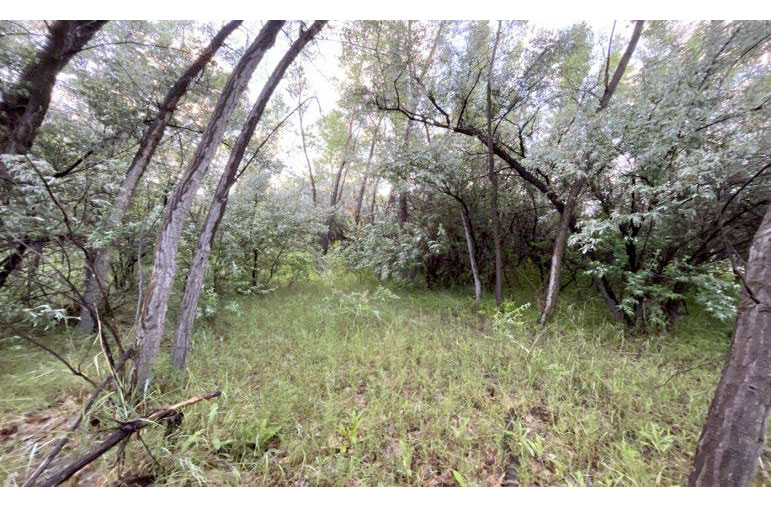
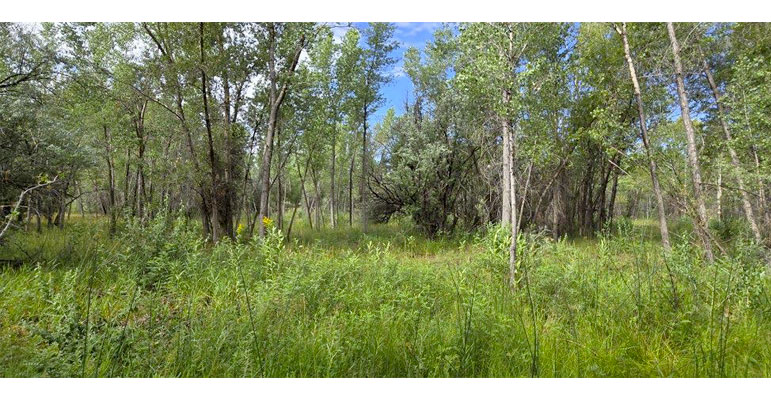
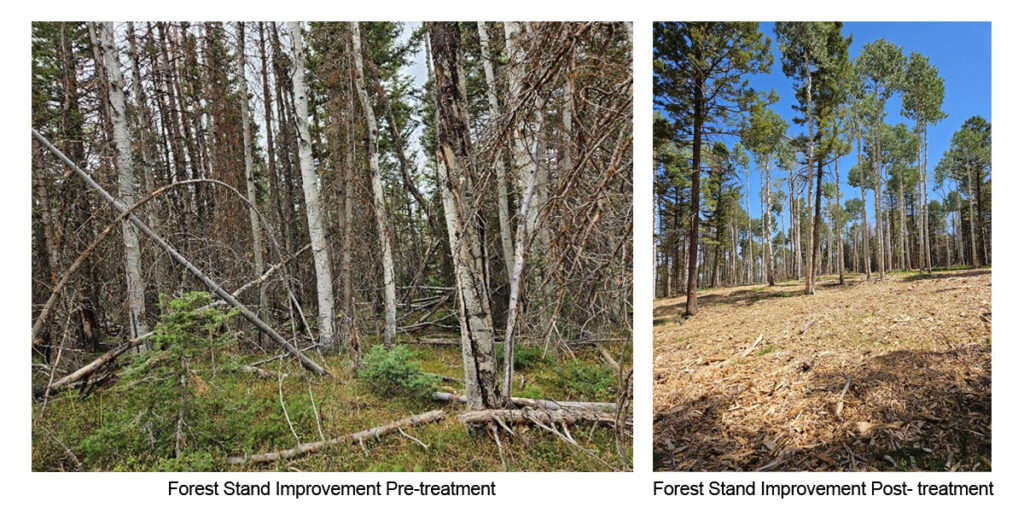
Forest Stand Improvement is a conservation practice offered through EQIP. This practice is used to thin tree communities, decrease litter, and improve understory. This increases light-to-ground rate, increases forage production, and decreases fuel loads.
Like Forest Stand Improvement, Brush Management is used to remove invasive Russian olives thereby increasing water availability and preferred habitat for the yellow-billed cuckoo.